Implant-Supported Dentures in Oceanside, CA
Complete, patient-first care from Dr. Omid Mehdipour and our Oceanside team.
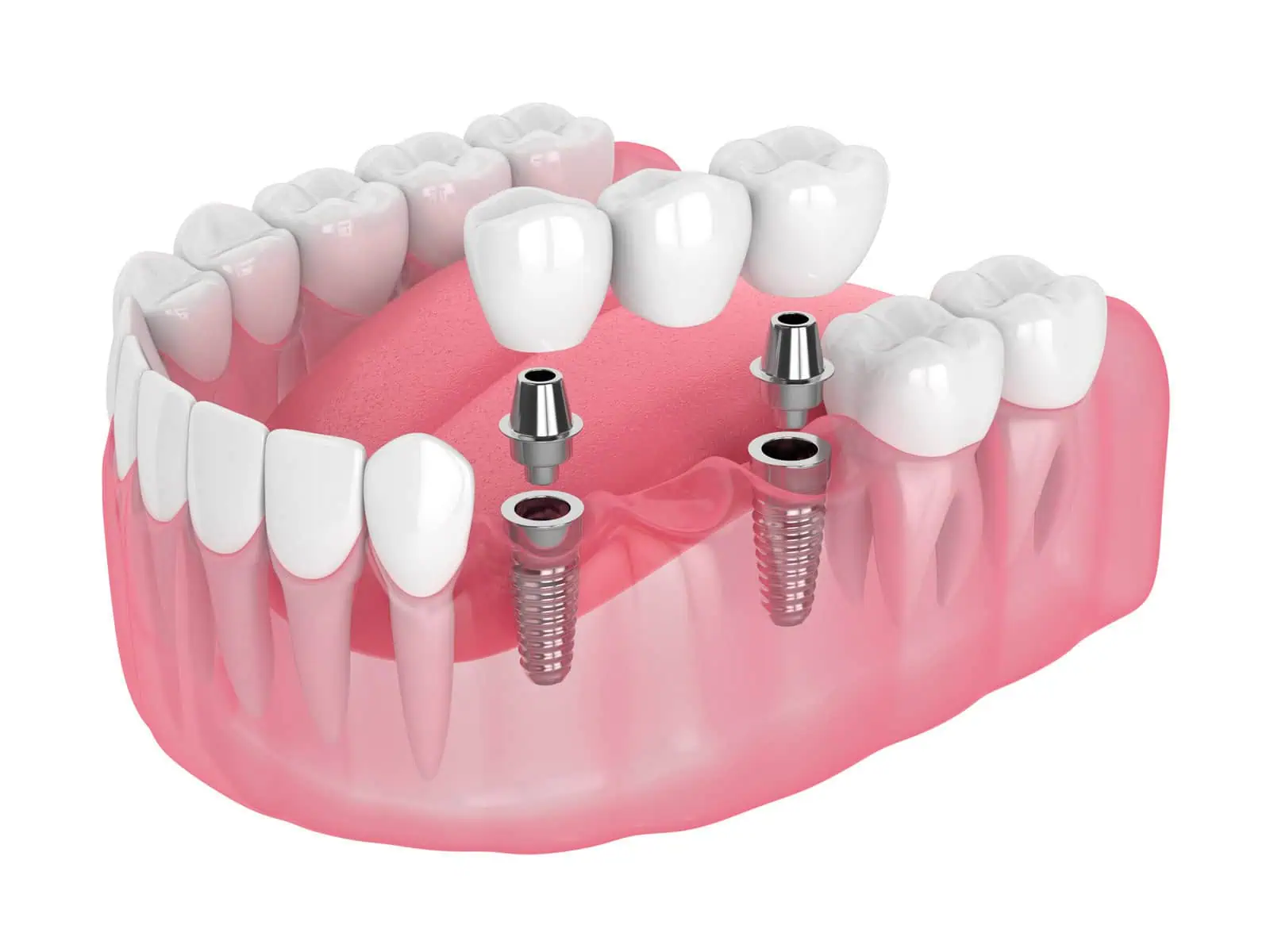
If you've been living with dentures that slip, click, or simply never felt secure, you're not alone — and there is a more stable solution. Implant-supported dentures Oceanside CA patients choose at Ivy Ranch Dental are designed to give you the confidence to eat, speak, and smile without worrying about your denture moving at the wrong moment. As part of our restorative dentistry services, this treatment combines the coverage of a full denture with the security of dental implants anchored directly into your jawbone.
We accept most major insurance plans — including Aetna, Cigna, and MetLife — and our office is open weekday evenings until 6:00 PM so working patients can schedule without rearranging their day. We'll walk you through every step of the process so you can make an informed decision at your own pace.
Why Patients in Oceanside Choose Implant-Supported Dentures
Stability and Comfort You Can Count On
Traditional dentures rest on your gums and rely on suction or adhesive to stay in place. Implant dentures in Oceanside work differently: small titanium posts are placed into the jawbone and serve as anchors for the denture, eliminating the rocking and slipping that makes conventional dentures frustrating. Patients often describe the difference as dramatic — eating foods they had given up on, speaking without hesitation, and going through the day without thinking about their teeth. The prosthesis is designed to distribute chewing forces more evenly, which is easier on your gums and surrounding tissues.
Bone Preservation and Long-Term Oral Health
One of the less-discussed benefits of implant-supported denture treatment is what happens beneath the surface. When teeth are lost, the jawbone in that area begins to shrink over time because it no longer receives the stimulation that tooth roots once provided. Traditional dentures do nothing to slow this process. Implants, on the other hand, act like tooth roots — they transmit chewing forces into the bone and help preserve its volume. This matters not just for the fit of your denture, but for the shape of your face over the long term.
Implant-Supported Dentures vs. All-on-4: Which Is Right for You?
Choosing the Best Option at Ivy Ranch Dental
Neither option is universally better — the right choice depends on your bone volume, your health history, your lifestyle, and what matters most to you in day-to-day function. Dr. Omid Mehdipour uses in-house 3D CT imaging and computer-guided implant planning to evaluate your anatomy precisely before recommending any treatment. Our approach is straightforward: we educate, you decide. There is no pressure to choose the more expensive option or to commit to anything before you feel ready.
What to Expect During Your Treatment at Ivy Ranch Dental
Consultation and 3D Imaging
Your first appointment is a conversation and an evaluation — not a commitment. Dr. Mehdipour will review your dental and medical history, examine your gums and remaining bone, and take a 3D CT scan of your jaw. This imaging gives a detailed, three-dimensional picture of your bone volume and anatomy that a standard X-ray simply cannot provide. By the end of your consultation, you'll have a clear picture of whether you're a candidate, how many implants would be needed, and what the treatment timeline looks like.
Implant Placement and Healing
Once a treatment plan is agreed upon, the implants are placed in a minor surgical procedure performed right here at Ivy Ranch Dental — no referral to an outside specialist required. Dr. Mehdipour's GPR training and computer-guided implant technology allow him to place implants with a high degree of precision. After placement, a healing period of several months allows the implants to fuse with the surrounding bone in a process called osseointegration. During this time, you'll typically wear a temporary prosthesis so you're never without teeth.
Denture Fitting and Final Delivery
Once your implants have integrated successfully, your custom denture is fitted and attached. We take care to ensure the fit, bite, and appearance meet your expectations before you leave the office. Any minor adjustments are handled promptly. Most patients are pleasantly surprised by how natural the final result feels compared to what they were used to.
Frequently Asked Questions About Implant-Supported Dentures in Oceanside
Are implant-supported dentures covered by dental insurance?
Am I a candidate if I have bone loss?
What Happens If You Continue With Ill-Fitting Dentures
How Implant-Supported Dentures Work
How All-on-4 Implants Differ
How many implants are needed to support a denture?
How long do implant-supported dentures last?
How are snap-on dentures and overdentures different from fixed implant dentures?
Phone & Email
The fastest way to connect is by phone. Our team is available during all office hours to answer questions, verify insurance, and schedule your visit.
Phone
(760) 444-4505Office Address & Directions
We are located on Oceanside Blvd in eastern Oceanside, with convenient parking near our suite entrance.
Office Hours
Convenient evening slots available
Ready to Experience the Ivy Ranch Standard?
Call our Oceanside office to schedule your first appointment. We provide compassionate, expert care in a completely calm, judgement-free environment.